Turf That Outcompetes Invasive Species
Weed Control in Lubbock & San Angelo, TX, for lawns where broadleaf weeds and grassy invaders crowd out desirable turf
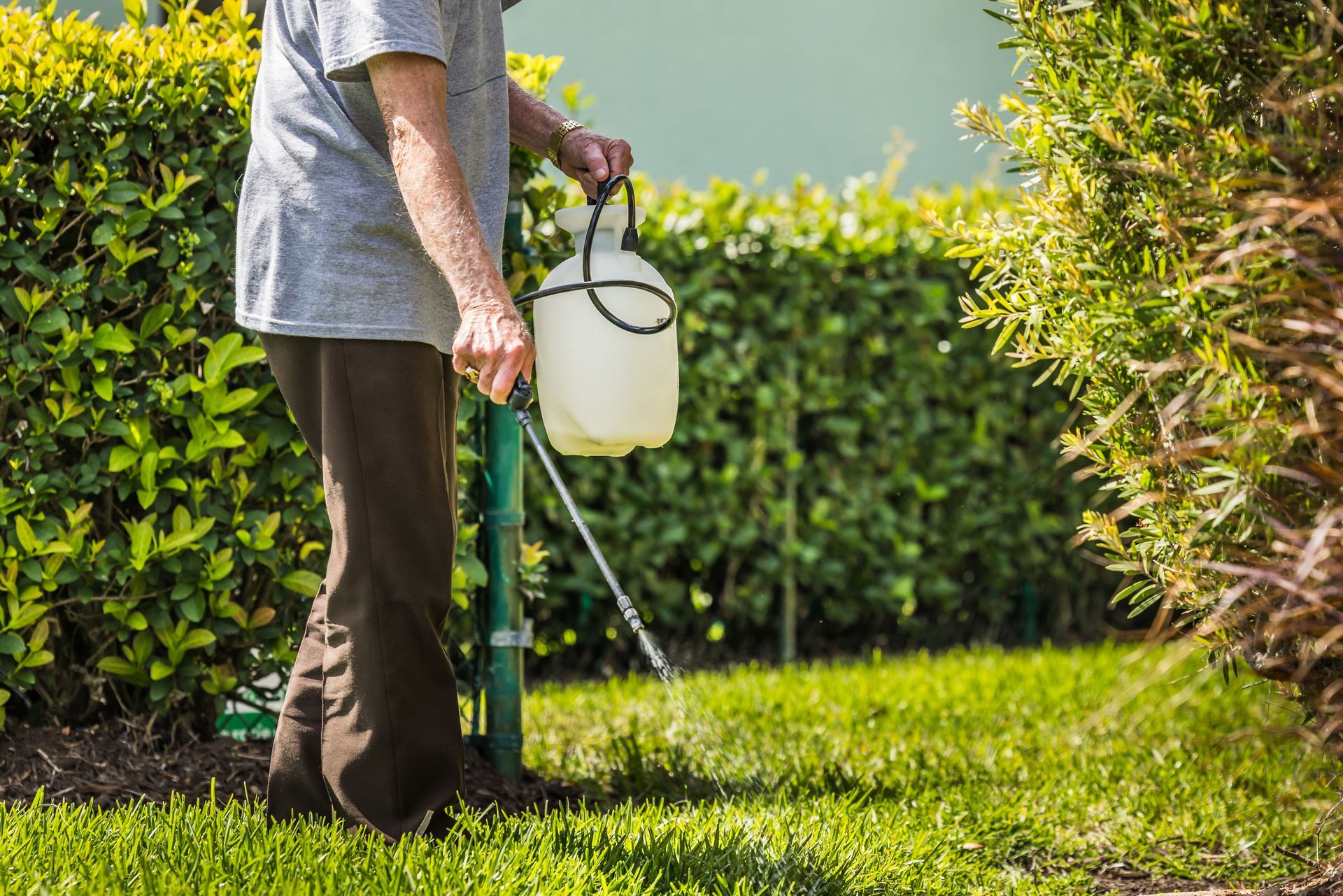
Henbit and dandelions germinate in fall when bermudagrass slows growth and stops competing effectively for space, while crabgrass and sandbur emerge in late spring once soil temperatures climb above 55 degrees and create bare patches that expand throughout summer. Targeted weed control treatments applied by Turf Raider Lawn & Landscape across Lubbock and San Angelo, TX, use selective herbicides that kill broadleaf weeds without damaging turf, along with pre-emergent applications timed to soil temperature thresholds that prevent weed seeds from germinating before root systems establish. You notice fewer invasive plants competing for water and nutrients, allowing turf to fill in bare areas and develop the density needed to suppress future weed pressure.
Treatment programs involve fall applications to control winter annuals like henbit before they flower and set seed, spring pre-emergent applications to prevent crabgrass germination, and summer post-emergent treatments for any breakthrough weeds that establish despite preventive measures. Timing follows soil temperature readings rather than calendar dates, since germination thresholds vary by several weeks depending on seasonal weather patterns.
Schedule a lawn evaluation to identify which weed species are present and determine treatment timing for current conditions.
Pre-emergent herbicides form a chemical barrier in the top inch of soil that disrupts cell division in germinating seedlings, preventing root development in crabgrass and other annual weeds without affecting established turf roots that grow deeper than the treatment zone. Applications must occur before soil temperatures trigger germination, typically late February for summer annuals and early September for winter weeds in the Lubbock area.
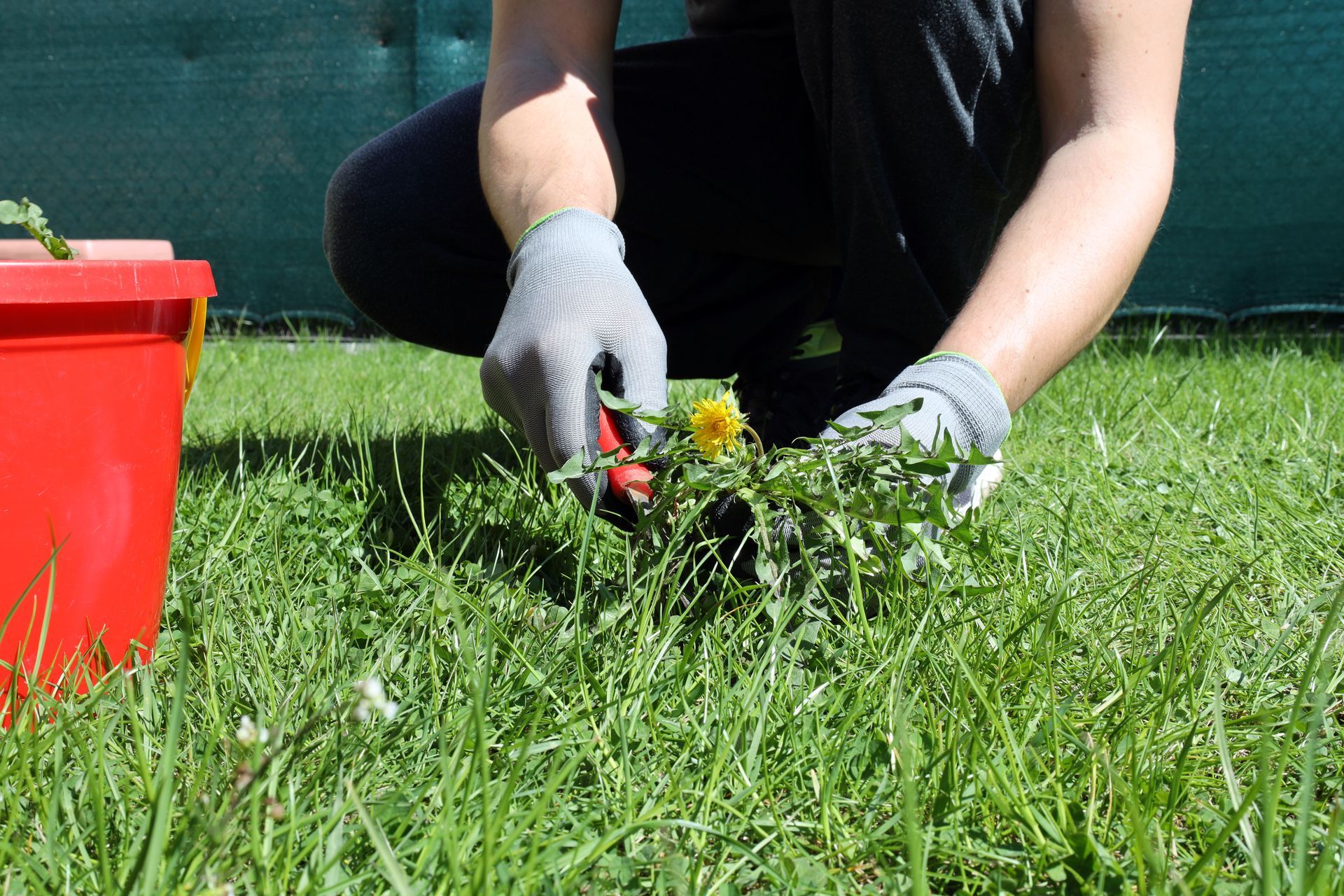
After treatment programs run through a full growing season, you see turf that maintains consistent green color without the yellow-green patches that indicate crabgrass infiltration, lawns that feel uniform underfoot rather than rough from sandbur or grassbur growth, and reduced time spent hand-pulling weeds that break off at ground level and regrow from roots left behind. Broadleaf weed populations decline as treatment prevents seed production, reducing the soil seed bank that fuels future infestations.
Programs include multiple applications spaced according to product re-application intervals and weed life cycles, with treatments adjusted for residential lawns and commercial properties that face higher weed pressure from surrounding untreated areas. Fertilization is often coordinated with weed control to promote turf density that naturally suppresses weed establishment.
What Homeowners Often Want to Know
Weed control effectiveness depends on accurate application timing, proper product selection for target species, and turf health that supports competitive growth.
What weeds cause the most problems in Lubbock lawns?
Crabgrass dominates summer weed complaints due to rapid growth and seed production, while henbit and dandelions create dense patches in fall and winter when bermudagrass goes dormant and stops competing for space.
How does pre-emergent treatment prevent weeds without affecting turf?
Pre-emergent herbicides inhibit cell division during germination, a process that occurs in seedlings but not in established plants with mature root systems, allowing existing turf to grow normally while preventing new weed seeds from developing functional roots.
When is it too late to apply pre-emergent for crabgrass?
Pre-emergent applications lose effectiveness once soil temperatures remain above 55 degrees for several consecutive days, typically in early March across Lubbock, since crabgrass seeds begin germinating shortly after that threshold and develop past the susceptible seedling stage within days.
Why do some weeds survive treatment and continue growing?
Post-emergent herbicides require active growth for absorption through leaf tissue, so weeds stressed by drought or heat may not take up sufficient product to achieve control, and repeat applications are often necessary for perennial weeds with extensive root systems like dandelion or clover.
What happens if treatments are applied during turf stress periods?
Herbicide applications during heat or drought stress can injure turf already weakened by environmental conditions, so treatments are typically delayed until temperatures moderate or irrigation restores turf vigor enough to tolerate chemical exposure without visible damage.
Turf Raider Lawn & Landscape develops treatment schedules based on your lawn's weed species, turf type, and seasonal conditions. Arrange a property assessment to review program options tailored to your specific weed control needs.