
Turf That Stays Healthy Between Cuts
Lawn Maintenance in Lubbock & San Angelo, TX, for properties where inconsistent mowing schedules stress turf and create uneven growth
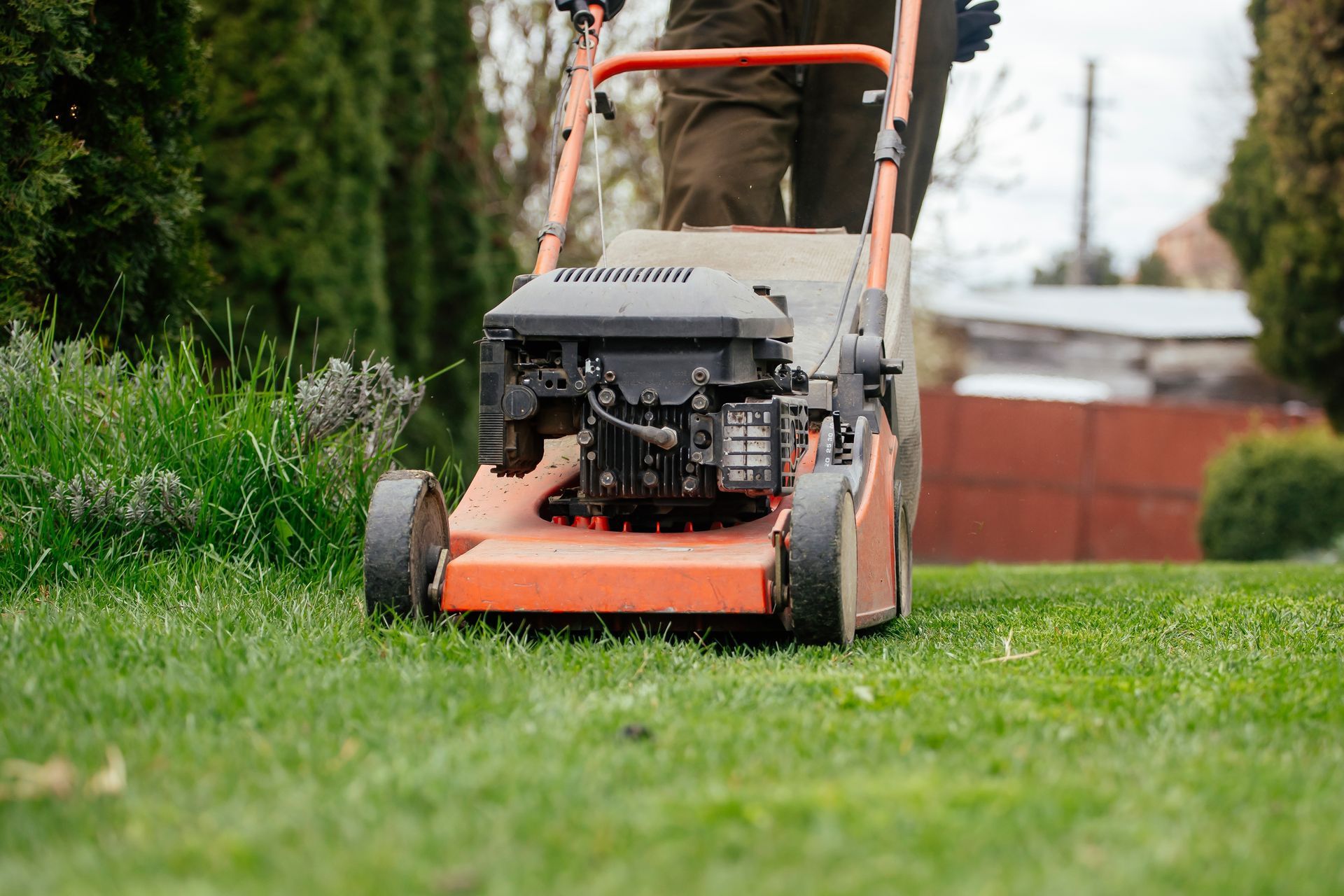
Turf develops deeper root systems and better drought tolerance when mowed on consistent schedules that remove no more than one-third of blade height per cutting. Turf Raider Lawn & Landscape provides recurring lawn maintenance across Lubbock and San Angelo, TX, using commercial equipment that delivers clean cuts without tearing grass blades, a problem that causes browning along cut edges and invites disease pressure during humid periods. Edging defines borders between turf and hardscaping, while trimming keeps growth controlled around obstacles that mowers can't reach, leaving properties with a finished appearance rather than a half-completed look.
Maintenance programs involve scheduled mowing intervals matched to turf growth rates, which vary seasonally as bermudagrass grows aggressively during summer heat but slows dramatically once nighttime temperatures drop below 55 degrees. Edging prevents turf from creeping into flower beds and along sidewalks, and debris removal after each service keeps clippings from smothering grass or blowing into landscaped areas.
Request a customized maintenance plan based on your property's turf type and seasonal growth patterns.
Crews arrive on assigned days with mowers adjusted to maintain optimal blade height for your turf species, typically three inches for tall fescue or two inches for bermudagrass during active growth. Blades are sharpened weekly to prevent ragged cuts that turn tips brown and increase water loss through damaged leaf tissue.
You see turf that maintains consistent density without bare patches developing from scalping during uneven cuts, borders that stay visibly defined between mowing visits, and properties that look maintained rather than neglected even during peak growth periods in May and June when bermudagrass can grow two inches per week under ideal conditions.
Service includes mowing, edging, trimming, and blowing debris from paved surfaces after each visit. Seasonal adjustments reduce mowing frequency during dormancy and increase intervals when turf slows growth due to heat stress or reduced irrigation. Programs are structured for residential lawns and commercial properties requiring consistent appearance standards.
Common Questions About This Service
Lawn maintenance schedules and techniques vary based on turf species, property size, and seasonal growth rates typical to the Lubbock area.
How often should lawns be mowed during summer?
Bermudagrass in active growth typically requires weekly mowing from May through September, while buffalo grass and other warm-season natives maintain acceptable appearance with mowing every ten to fourteen days due to slower vertical growth rates.
What happens if mowing removes too much blade height at once?
Cutting more than one-third of blade length stresses turf by reducing photosynthetic capacity and exposing crowns to direct sun, which increases water demand and makes grass more susceptible to heat stress and weed competition.
Why does edging matter for lawn health?
Edging prevents turf from spreading into mulched beds where it competes poorly and thins out, and it creates physical barriers that reduce hand-trimming time and the risk of string trimmer damage to tree bark and ornamental plant stems.
When does bermudagrass go dormant in Lubbock?
Bermudagrass stops active growth and begins browning once nighttime temperatures consistently drop below 55 degrees, typically in late October, and remains dormant until soil temperatures reach 65 degrees in spring, usually mid-April.
What's the difference between residential and commercial maintenance?
Commercial properties often require mid-week mowing to maintain appearance standards for customer-facing businesses, while residential programs typically run on weekly schedules with flexibility for weather delays or seasonal adjustments.
Turf Raider Lawn & Landscape tailors maintenance schedules to your property's specific needs and turf conditions. Contact the office to discuss program options and service frequency.